


Common Metal Materials for CNC Machining: Properties, Applications and Material Selection Guide
Common Metal Materials for CNC Machining: Properties, Applications and Material Selection Guide
Selecting the right metal material is one of the most important decisions in CNC machining. Material choice affects not only the mechanical performance of the final part, but also machining efficiency, tooling cost, surface finish, and overall production cost.
In this guide, we summarize the most commonly used metal materials in CNC machining, their key properties, typical applications, and important machining considerations.
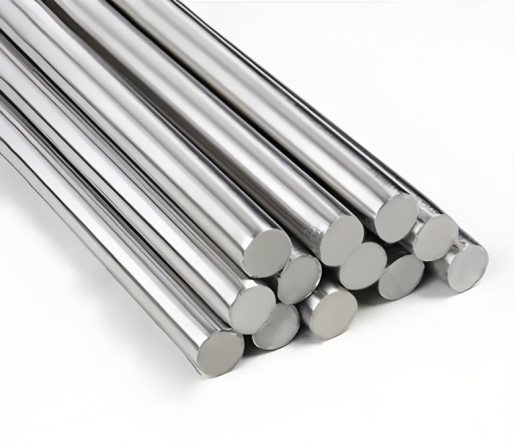
Computer Numerical Control Material Categories Overview
The most common CNC machining metals can be divided into six categories:
- Carbon Steels
- Alloy Steels
- Stainless Steels
- Cast Iron
- Aluminum Alloys
- Specialty Metals
Each category offers unique advantages depending on strength, corrosion resistance, weight, wear resistance, and budget requirements.
1. Carbon Steels (Widely Used and Cost-Effective)
Q235 Mild Steel
Properties
- Good ductility and excellent weldability
- No heat treatment required
- Low hardness (HB 120–160)
Typical Applications
- Machine frames
- Welded bases
- Safety guards
- Sheet metal components
Machining Considerations
- Material tends to adhere to the cutting edge, which can cause burr formation
- Sharp tooling is recommended
45 Steel (Equivalent to AISI 1045 Medium Carbon Steel)
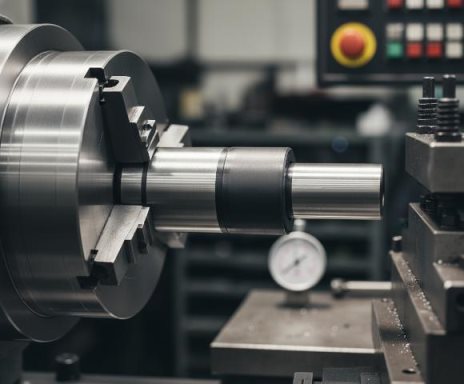
Properties
- Offers an excellent balance of strength and toughness after quenching and tempering
- Typical hardness: HRC 22–28
- Good machinability
Typical Applications
- Gears
- Shafts
- Couplings
- Bolts
- Mold bases
Machining Considerations
- Surface finish is easy to control after heat treatment
- Widely used for general-purpose mechanical components
T10 / T12 High Carbon Tool Steel
Properties
- High hardness after quenching (HRC 58–62)
- Excellent wear resistance
- High brittleness and low impact toughness
Typical Applications
- Files
- Taps
- Gauges
- Punches
Machining Considerations
- Readily machined in the annealed condition
- Grinding is required after hardening
2. Alloy Steels (For High-Strength and Critical Components)
40Cr (Equivalent to AISI 5140 Alloy Steel)
Properties
- Good hardenability
- 20–30% higher strength than 1045 steel Excellent overall mechanical performance after quenching
- and tempering
Typical Applications
- Engine connecting rods
- Critical gears
- Spindles
- High-strength bolts
Machining Considerations
- Offers good machinability in the tempered condition
- Excessive work hardening should be avoided
20CrMnTi Carburizing Steel
Properties
- Surface hardness after carburizing: HRC 58–62
- Tough and ductile core: HRC 35–42
- Excellent wear resistance and impact strength
Typical Applications
- Automotive transmission gears
- Bevel gears
- Wear-resistant shafts
Machining Considerations
- Final finishing is typically performed by grinding after carburizing
- Heat treatment distortion must be controlled
38CrMoAl Nitriding Steel
Properties
- Surface hardness after nitriding can reach HV 900–1100
- Excellent thermal stability
- Good core toughness
Typical Applications
- Precision lead screws
- High-pressure plungers
- Extruder screws
Machining Considerations
- Components are fully machined before nitriding
- No cutting operations are normally performed after nitriding
3. Stainless Steels (Corrosion-Resistant Materials)
304 Austenitic Stainless Steel
Properties
- Non-magnetic in the annealed condition
- Good general corrosion resistance
- Severe work hardening tendency
- Low thermal conductivity
Typical Applications
- Food processing equipment
- Medical devices
- Chemical vessels
- Decorative tubing
Machining Considerations
- Sharp tooling is essential
- Lower feeds and generous coolant application are recommended
- Prone to built-up edge (BUE)
316L Stainless Steel
Properties
- Contains molybdenum for improved chloride and seawater resistance
- Low carbon content provides excellent weldability
Typical Applications
- Marine components
- Medical implants
- Chemical valves
Machining Considerations
- More difficult to machine than 304
- High-performance tool coatings are recommended
420 / 440C Martensitic Stainless Steel
Properties
- Heat treatable to HRC 56–60
- High hardness and excellent wear resistance
- Magnetic
Typical Applications
- Surgical instruments
- Bearings
- Corrosion-resistant knives
- Molds
Machining Considerations
- Best machined in the annealed condition
- Grinding is required after hardening
- Grinding burn should be carefully controlled
4. Cast Irons (Excellent Damping and Dimensional Stability)
HT200 / HT250 Gray Cast Iron
Properties
- High compressive strength
- Excellent vibration damping capacity
- Good wear resistance
- Brittle with low tensile strength
Typical Applications
- Machine tool beds
- Columns
- Bases
- Flywheels
Machining Considerations
- Produces short, powder-like chips
- Carbide tooling is recommended
- Dust extraction may be necessary during dry machining
QT400-18 / QT600-3 Ductile Iron
Properties
- Mechanical strength comparable to steel
- Better impact toughness and fatigue resistance than gray iron
Typical Applications
- Crankshafts
- Steering knuckles
- Hydraulic valve bodies
Machining Considerations
- Generates higher cutting forces than gray cast iron
- Wear-resistant tooling is recommended
5. Aluminum Alloys (Lightweight and Highly Machinable)
6061-T6 Aluminum Alloy
Properties
- Medium strength
- Good corrosion resistance
- Excellent anodizing response
- Good weldability
Typical Applications
- Consumer electronics housings
- Bicycle frames
- Heat sinks
- Structural components
Machining Considerations
- Tends to form built-up edge
- Polished carbide or diamond tooling is recommended
- High-pressure coolant improves chip evacuation
7075-T6 Aluminum Alloy
Properties
- Very high strength, approaching that of some mild steels
- Lower ductility than 6061
- Poor weldability
Typical Applications
- Aircraft structural parts
- Missile components
- High-stress tooling
- Drone parts
Machining Considerations
- Residual stresses may cause thin-wall distortion
- Machining sequence should be carefully planned
A380 Die-Cast Aluminum Alloy
Properties
- Excellent castability and dimensional stability
- Suitable for complex thin-wall components
Typical Applications
- Engine brackets
- LED heat sink housings
- Pump bodies
Machining Considerations
- A light skim cut is recommended to remove the dense surface layer before finish machining
6. Specialty Metals (High Performance, Challenging to Machine)
H62 Brass
Properties
- Excellent machinability
- Smooth surface finish
- Good corrosion resistance
- Good electrical conductivity
Typical Applications
- Plumbing fittings
- Valve cores
- Instrument components
Machining Considerations
- Supports high-speed machining
- Minimal burr formation
- Dry machining is often possible
T2 Copper (Pure Copper)
Properties
- Extremely high electrical and thermal conductivity
- Very soft and prone to deformation
Typical Applications
- Busbars
- Heat spreaders
- Sealing gaskets
Machining Considerations
- Requires very sharp tooling
- Generous coolant application is recommended
- Rigid workholding is essential
Inconel 718 Nickel-Based Superalloy
Properties
- Retains high strength at elevated temperatures above 600°C
- Severe work hardening tendency
- Poor thermal conductivity
Typical Applications
- Jet engine blades
- Nuclear reactor components
- Turbine disks
Machining Considerations
- Premium carbide or ceramic inserts are required
- Very low cutting speeds are recommended
- Machine rigidity is critical
Ti-6Al-4V (TC4) Titanium Alloy
Properties
- Exceptional strength-to-weight ratio
- Excellent biocompatibility
- Low thermal conductivity
- High chemical affinity with cutting tools
Typical Applications
- Orthopedic implants
- High-performance connecting rods
- Aerospace fasteners
- Deep-sea equipment
Machining Considerations
- Light cuts should be avoided to minimize work hardening
- Generous coolant application is essential
- Sharp coated tools are recommended
CNC Machining Material Comparison Table
|
Material |
Machinability |
Main Advantages |
Main Drawbacks |
Relative Cost |
|---|---|---|---|---|
|
45 Steel |
Excellent |
Balanced performance and cost |
Limited hardenability |
★ |
|
40Cr |
Very Good |
High strength |
Requires preheating for welding |
★★ |
|
304 Stainless Steel |
Moderate |
Corrosion resistance |
Work hardening |
★★★ |
|
HT250 Cast Iron |
Very Good |
Vibration damping |
Lower tensile strength |
★ |
|
6061 Aluminum |
Excellent |
Lightweight and fast machining |
Limited high-temperature wear resistance |
★★ |
|
Brass H62 |
Excellent |
Superb surface finish |
Lower strength |
★★ |
|
TC4 Titanium |
Poor |
Highest specific strength |
Very difficult to machine |
★★★★★ |
|
Inconel 718 |
Poor |
Outstanding high-temperature strength |
Extremely difficult to machine |
★★★★★ |
How to Choose the Right CNC Machining Material
Choose 45 Steel or 40Cr If:
- You need a cost-effective solution
- Strength and toughness are both important
- The parts are shafts, gears, or structural components
Choose 6061 Aluminum If:
- Lightweight design is required
- Fast machining and anodizing are important
- Parts are for electronics, automation, or aerospace
Choose 304 or 316L Stainless Steel If:
- Corrosion resistance is critical
- Parts will be used in food, medical, or marine environments
Choose HT250 Cast Iron If:
- Vibration damping is required
- You are machining large machine bases or housings
Choose Titanium or Inconel If:
- Parts must withstand extreme temperatures or harsh environments
- Aerospace, medical, or energy applications are involved
Final Thoughts
Material selection directly impacts machining cost, production efficiency, and product performance.
As a general rule:
- For balanced performance and cost, choose 45 steel or 40Cr.
- For lightweight components, choose 6061 aluminum.
- For corrosion resistance, choose 304 or 316L stainless steel.
- For high wear resistance, choose 440C or tool steel.
- For vibration damping and large cast structures, choose HT250.
- For aerospace and high-temperature applications, choose titanium or Inconel.
By understanding the properties, applications, and machining challenges of each material, engineers and buyers can make more informed decisions and optimize both performance and manufacturing cost.
Need Help Selecting the Right Material for Your CNC Machined Parts?
Choosing the right material is critical to achieving the best balance of performance, machinability, and cost. Whether you need carbon steel, stainless steel, aluminum, brass, titanium, or high-temperature alloys, our engineering team can help you select the most suitable material for your application.
At XSH Precision, we specialize in precision CNC machining of complex metal components for industries including aerospace, medical, laser systems, automation, and industrial equipment.
Why Work With XSH Precision?
- 15+ years of CNC machining experience
- Expertise in machining difficult materials such as Ti-6Al-4V (TC4) and Inconel 718
- Tight tolerances up to ±0.005 mm
- Prototype to production capabilities
- Competitive pricing and reliable delivery
Request a Free Quote Today
Send us your drawings or material requirements, and our engineers will provide:
- Material selection recommendations
- Design-for-manufacturing (DFM) suggestions
- Competitive pricing
- Fast lead times
📩 Contact us today to discuss your CNC machining project and receive a fast, professional quotation.
Get a Quote from XSH Precision


